2026 Top Trends in Robotics and Automation Engineering to Watch?
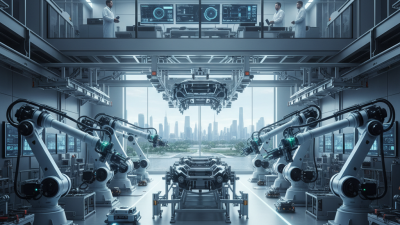
As we move towards 2026, the field of robotics and automation engineering is evolving rapidly. Innovative technologies and methods are emerging. These developments will reshape industries and our daily lives.
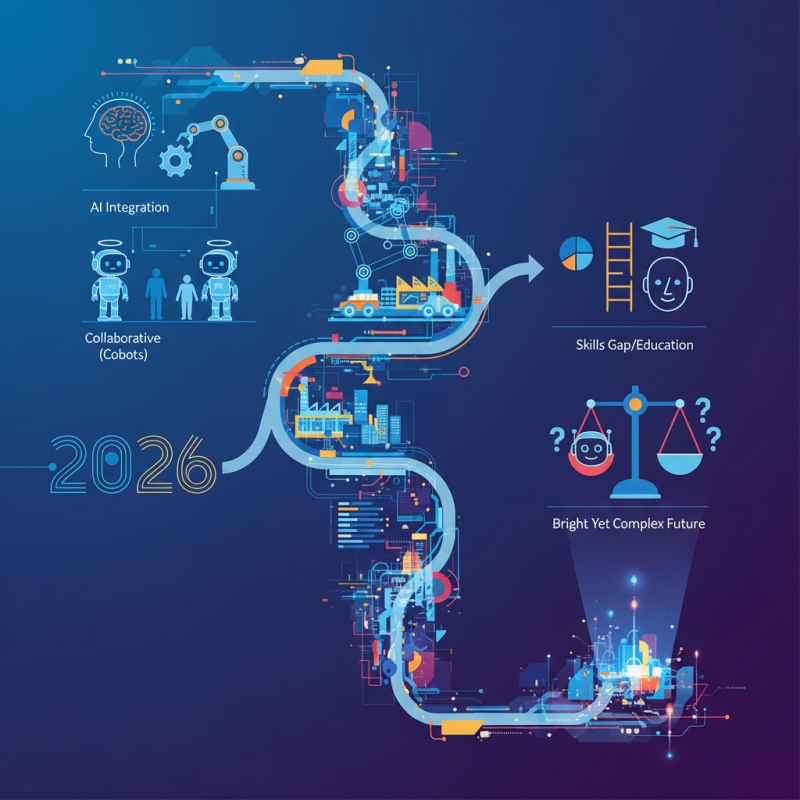
One key trend is the integration of artificial intelligence in robotics and automation engineering. AI allows machines to learn and adapt more effectively. This creates smarter and more efficient systems. Another significant trend is the rise of collaborative robots, or cobots. These robots work alongside humans, enhancing productivity while ensuring safety.
However, challenges also arise. The need for skilled professionals in robotics and automation engineering grows. Many educational programs struggle to keep pace. Furthermore, ethical considerations in automation cannot be overlooked. As we embrace these advancements, reflection on their impacts becomes essential. The future is bright yet complex.
Key Innovations Driving Robotics and Automation in 2026
In 2026, robotics and automation are set to transform industries. Emerging technologies are reshaping how we work and live. AI-driven robots will collaborate with humans, enhancing productivity. These robots will learn from their environment and adapt tasks efficiently. This flexibility could revolutionize manufacturing and logistics. However, reliance on automation raises concerns about job displacement.
Innovations in sensor technology will improve machine perception. Robots may navigate complex environments with greater precision. This will enable applications in healthcare, agriculture, and construction. Yet, challenges remain. Ensuring safety in human-robot interactions is crucial. We must reflect on our ethical responsibilities as we advance.
Moreover, the integration of cloud computing will allow for real-time data analysis. This can enhance decision-making processes in various sectors. However, data security is a pressing issue. As we embrace these innovations, we must question our approach to privacy and control. Balancing technological advancement with ethical considerations is essential. The journey ahead will be both exciting and complex.
Advancements in Artificial Intelligence for Enhanced Robotics
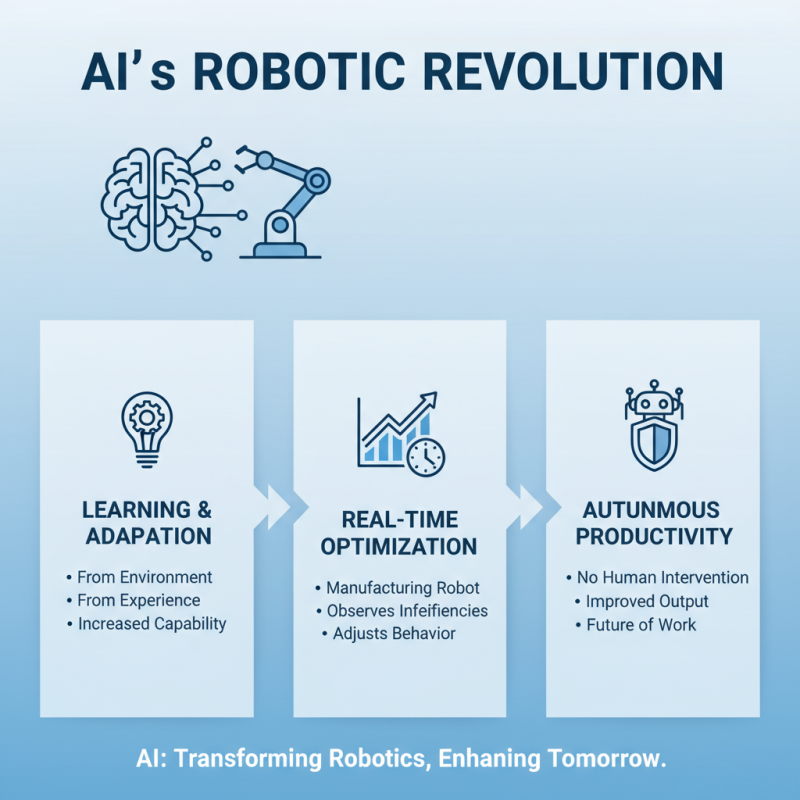
Advancements in artificial intelligence (AI) are transforming robotics in remarkable ways. AI enables robots to learn from their environments and experiences. This capacity for learning is what makes modern robots far more capable than their predecessors. Imagine a manufacturing robot that can adjust its behavior based on real-time data. It observes inefficiencies and adapts, improving productivity without human intervention.
AI-enhanced robotics also raises questions about ethics and reliability. What happens when machines make decisions? Trusting a robot’s judgment in critical situations can be daunting. There’s also the potential for errors. A malfunctioning robot could lead to unsafe conditions. Society must address these challenges as we embrace AI in robotics.
Human-robot collaboration is another area of excitement. Robots can analyze data and provide insights, which help humans make informed decisions. This partnership can enhance creativity and efficiency in various fields, from healthcare to agriculture. However, as we explore this collaboration, we must consider how to maintain control. Balancing technological advancement and human oversight is crucial for progress.
The Role of IoT in Shaping Future Automation Solutions
The integration of IoT in robotics and automation is transforming industries. In 2026, 75% of organizations will use IoT data to enhance efficiency. This connectivity allows machines to communicate in real-time, improving decision-making processes. Automation solutions are becoming smarter and more responsive. For example, IoT sensors can monitor equipment health, predicting failures before they happen.
Tips: Utilize IoT solutions for predictive maintenance. Analyze data patterns regularly. This can reduce unforeseen downtimes by up to 30%.
While the advantages are substantial, challenges exist. Data security remains a critical concern. With increased connectivity, vulnerabilities also rise. Organizations must prioritize the implementation of robust security protocols. Additionally, the complexity of managing interconnected devices is daunting. Companies often struggle to integrate these systems smoothly.
Tips: Invest in user training programs. Familiarize employees with IoT and automation technologies. This enhances productivity and minimizes mistakes during transitions.
Sustainable Practices in Robotics Engineering for 2026
In 2026, sustainable practices will dominate robotics engineering. This shift is imperative for minimizing environmental impact. Engineers will focus on energy-efficient designs. Renewable energy sources will power many robotic systems. The materials used will be biodegradable or recyclable. This change will support a circular economy.
Developers must also consider waste reduction. Assessing the entire lifecycle of robots is necessary. From production to dismantling, each step matters. Tips for engineers include choosing eco-friendly components. Collaborate with material scientists for better choices. Incorporate sustainable testing methods to reduce carbon footprints.
Data plays a crucial role in sustainability. Collect and analyze data on energy consumption. Monitor emissions during operations. This information can drive improvements. The emphasis should be on transparency and accountability. Robot design may not be perfect yet, but continuous feedback will enhance outcomes. Adjustments based on real-world usage are essential for growth.
Human-Robot Collaboration: Trends and Future Implications
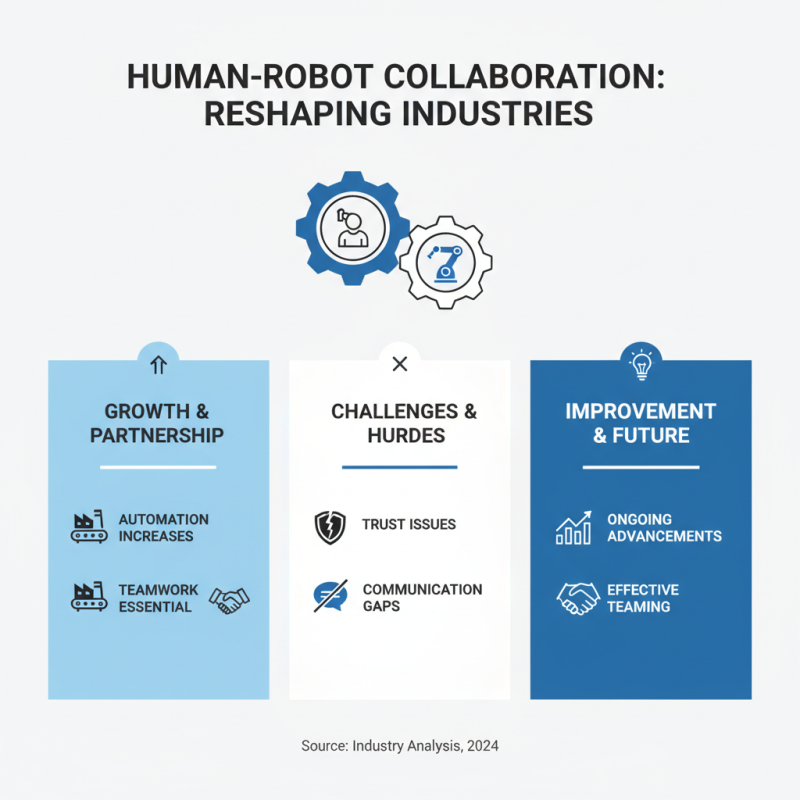
Human-robot collaboration is reshaping industries. As automation grows, so does the need for effective teamwork between humans and machines. This partnership is not without its challenges. Trust issues can arise, and communication gaps often hinder performance. Yet, these hurdles prompt ongoing improvements.
In manufacturing, robots assist human workers with heavy lifting and repetitive tasks. This synergy allows humans to focus on more complex duties. However, reliance on machines can lead to skills atrophy in workers. There’s a danger of over-dependence, which may breed complacency. Companies must find a balance between leveraging automation and nurturing human skills.
Emerging technologies are enhancing human-robot interactions. Advanced sensors and AI enable machines to understand human emotions better. Yet, ethical questions remain. How do we ensure robots act within boundaries? It’s crucial to develop guidelines that safeguard human interests while promoting innovation. The future is promising but requires careful consideration of human roles.