What is Agriculture Drip Irrigation Benefits and Solutions?
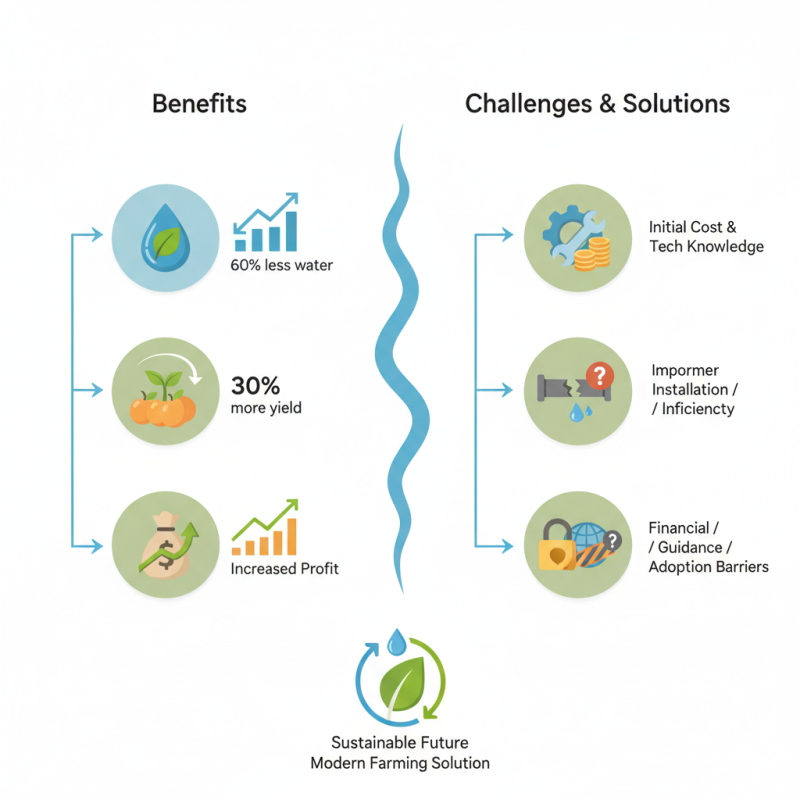
Agriculture Drip Irrigation has revolutionized the way we approach farming. It is not only efficient, but it also conserves water. According to a report from the Food and Agriculture Organization (FAO), drip irrigation can reduce water usage by up to 60% compared to traditional methods. This significant reduction aids in sustainable agriculture, especially in water-scarce regions. Moreover, drip irrigation promotes healthier crop yields. Studies suggest that it can increase productivity by as much as 30%.
Farmers face challenges when implementing agriculture drip irrigation systems. The initial costs can be high, and technical knowledge is essential for effective use. Research indicates that improper installation can lead to system inefficiencies. However, the long-term benefits often outweigh these difficulties. For example, reduced water costs and increased crop output enhance farm profitability.
Another aspect to consider is the adoption rate of this technique. While many recognize its advantages, some regions still lag behind in implementation. Barriers such as financial constraints and lack of proper guidance hinder progress. Despite these obstacles, agriculture drip irrigation remains a vital solution for modern farming practices. Its potential for innovation and sustainability continues to be a focal point for agricultural development worldwide.
Benefits of Drip Irrigation in Agriculture: A Comprehensive Overview
Drip irrigation has revolutionized agriculture by offering precise water delivery. This method allows water to drip directly to plant roots through a network of tubing. It minimizes evaporation and runoff, ensuring that crops access moisture efficiently. For farmers in arid regions, this technology is a lifeline. It conserves water and promotes sustainable practices.
One notable benefit is the improved crop yields. Research shows that drip irrigation can boost production by up to 30%. This increase is significant, especially for smallholders who struggle with resources. However, implementation can be costly and complex. Some farmers may need training to set up and maintain the system effectively. Addressing these challenges is essential for realizing the full potential of drip irrigation.
Moreover, drip irrigation encourages better soil health. It reduces weed growth since only the intended plants receive water. This not only saves time for farmers but also reduces the need for herbicides. Yet, some might overlook the intricacies involved in proper water management. Balancing water supply with seasonal changes requires careful planning and adaptation. Understanding these facets is critical for long-term success in agricultural practices.
Key Components of an Effective Drip Irrigation System
Drip irrigation systems are increasingly recognized for their efficiency and effectiveness in agriculture. Key components of these systems include emitters, tubing, and filtration units. Emitters discharge water directly to the plant roots, minimizing evaporation and runoff. According to the USDA, drip irrigation can reduce water usage by up to 50%. This technology allows farmers to conserve water while increasing crop yields.
The tubing used in drip irrigation must be durable and resistant to clogs. High-quality materials ensure longevity and efficiency. Filtration units are essential to keep the system running smoothly, preventing blockages that can disrupt water delivery. A well-designed system incorporates pressure regulators to maintain consistent flow rates, which is vital for evenly distributing water. However, challenges remain. Initial installation costs can be high, and maintenance is crucial to prevent system failure.
Monitoring and adjusting the system based on weather conditions and soil moisture is also important. Many farmers may find this aspect difficult. Studies suggest that regular assessments of soil health can improve the effectiveness of drip irrigation. Embracing technology, such as soil moisture sensors, can augment these systems. Yet, continuous education and adapting to new practices are necessary for long-term success.
Economic Advantages of Drip Irrigation: Cost Savings and Increased Yields
Drip irrigation provides significant economic advantages for farmers. It optimizes water usage, lowers costs, and boosts crop yields. With targeted delivery of water, plants receive moisture directly at their roots. This method minimizes water waste and decreases the need for fertilizers. As a result, farmers can see substantial savings.
Implementing drip systems cuts down on labor costs. Farmers spend less time managing water supply. Additionally, with crops receiving the right amount of water, growth rates improve. Higher yields can lead to increased profits. However, initial installation costs may be a concern. It’s crucial to consider long-term benefits over short-term expenses.
Tips for successful drip irrigation:
- Regularly check for blockages in the system.
- Monitor soil moisture to adjust watering schedules. This can enhance efficiency and prevent overwatering.
- Maintaining equipment is essential for optimal operation.
- In time, farmers can reflect on their experiences to refine their practices.
- Investing in education about newer technologies can also provide further insights.
Environmental Impact: Water Conservation and Soil Health Improvements
Agriculture drip irrigation has a notable positive impact on environmental health. This method minimizes water wastage by delivering water directly to the roots of plants. Soil moisture levels remain consistent, reducing the risk of over-irrigation, which can lead to soil erosion. Farmers observe healthier crops with fewer drought-related losses, making this technique practical.
Water conservation is vital in today’s climate. Drip irrigation systems can cut water use by up to 50%. This efficiency helps preserve local water resources, especially in arid regions. However, the initial setup cost can be a challenge. Not all farmers can afford such systems without support. Community programs or grants could address this issue.
Soil health benefits from drip irrigation are significant but often overlooked. By reducing surface runoff, the system allows nutrients to stay within the soil. This enhances soil structure over time, benefiting future crops. While many recognize the advantages, some regions experience variability in effectiveness. More research is needed to understand these discrepancies fully.
Benefits of Agriculture Drip Irrigation
This chart illustrates the various benefits of agriculture drip irrigation in terms of water conservation, soil health improvements, crop yield, fertilizer efficiency, and labor savings, showing the significant impact of adopting such techniques in farming practices.
Best Practices for Implementing Drip Irrigation Solutions in Farming
Drip irrigation is revolutionizing farming techniques. This method delivers water directly to plant roots. It minimizes waste and maximizes efficiency. According to industry reports, using drip irrigation can reduce water usage by up to 60%. Farmers can reap significant rewards with careful implementation.
Best practices for drip irrigation include proper system design and routine maintenance. Assess your soil type and crop needs meticulously. This ensures optimal water delivery. Regular inspection of the drip lines is crucial. Clogs can reduce efficiency dramatically. Farmers should monitor water quality, too. Contaminated water can harm crops.
**Tips:** Conduct monthly checks on your system. Keep records of water use. Evaluate your crop response regularly. Strive for continuous improvement. Remember, even minor adjustments can lead to better results. Implementing drip irrigation isn't foolproof. Be prepared to adapt your approach based on feedback from your crops and environmental conditions.